
Substance use and the relationship we form with its euphoric effects are different for all of us. Some may find solace at the bottom of a wine bottle, while others get elation from chasing wins on a betting app. For those who find pursuing this high gets out of hand, addiction recovery is available in many forms, such as fellowship groups, or inpatient or outpatient rehab – many of them using the 12 steps as a basis.
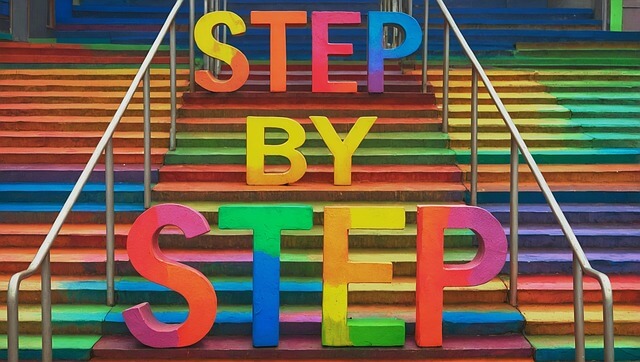
Recovery, just like the events that lead to it, is a personal journey. So, why is the 12-step method so widely used? And can it be applied to any addiction story?
The 12 steps focus on behaviour, not substances
The 12 steps are a set of principles used to guide people through acceptance and responsibility, rather than turning to unhealthy coping mechanisms such as drugs, alcohol, or gambling. They are widely used in a plethora of addiction recovery programmes due to their focus on the mindset around addictive behaviours.
One thing many of our clients find surprising when they enter our programme is that recovery doesn’t focus on the substance used; it deals with the events that compel us to use. This could be, for example, a painful death that is difficult to think about, or a series of events that led to drugs being a regular relief. By learning and accepting difficult events in our lives, we gain the courage to let go of the substance that helps us cope with anxiety and face harsh truths.
Each step in the 12-step model reflects a realistic mindset shift that is achieved through a series of therapy or exercises created by experts or other recovery survivors. The steps can be worked through at your own pace and are created to be personalised to your story and recovery needs.
Why ‘regaining control’ is not the aim of the 12 step programme
Most people enter our addiction treatment programme believing they can learn to take control over the volume of drugs they have – for example, reducing or stopping their alcohol intake for a few weeks – and then drinking again when they leave rehab, having gained power over their cravings. While this may seem ideal on the surface, a lack of control over drugs, alcohol or behaviours is a consequence of addiction, rather than the cause of it. If we treat someone who feels compelled to use ketamine whenever feelings of anxiety arise, and we help them detox from the drug without addressing any of the feelings that cause the compulsions, they will find another outlet to numb their pain.
To gain complete control over physical and mental cravings, the 12-step programme suggests addiction is tackled by eliminating all addictive drugs, including alcohol, and admitting that we are powerless over our addiction. By acknowledging this, we start to look inwards and, with the right support and love, learn to face our emotions without using substances as an unsustainable relief.
Can anyone use the 12-step principles in their recovery?
What makes the principles of these 12 steps ideal for anyone overcoming addiction is that they are not rigid rules. While they do come in a ‘big book’, which is best read in a recovery group that helps unpack the language and work through the exercises as a supportive unit, the steps are not tasks; they are a mindset. Whatever challenges you have faced or thoughts you’d like to focus on are flexible to help you understand and achieve that step.
At The Haynes Clinic, we find that the first step – admitting that we are powerless over our addiction – looks different for everybody. People have come to us for help at all different stages in their lives, with a unique story that made them realise it was time to get support.
Using the 12 steps for your recovery
While long-term recovery usually takes a team effort to support and encourage one another, the journey looks different for everyone. The 12-step programme is not meant to be rushed, memorised, or completed within a certain timeframe. What matters far more than strict guidelines is how honestly we engage with the steps and how those ideas are applied to our own lives and coping patterns.
Ultimately, the 12-step model’s strength lies in its adaptability. When combined with care and openness, it can be shaped as a framework for a range of recovery approaches and programme styles. The principles can grow alongside us, supporting recovery not as a fixed destination, but as an ongoing, deeply personal journey.
If you are interested in working through the 12 steps with our compassionate therapists and residents at The Haynes Clinic, contact us today