
When people think of drug abuse and the side effects it causes, they usually imagine the personal cost someone suffers in exchange for temporary euphoria. We’ve worked with clients who have drained their finances to access the next hit. We’ve seen the damage drugs can have on a person’s health, memories and confidence. And we’ve heard many stories of guilt around the behaviour they’ve had towards others.
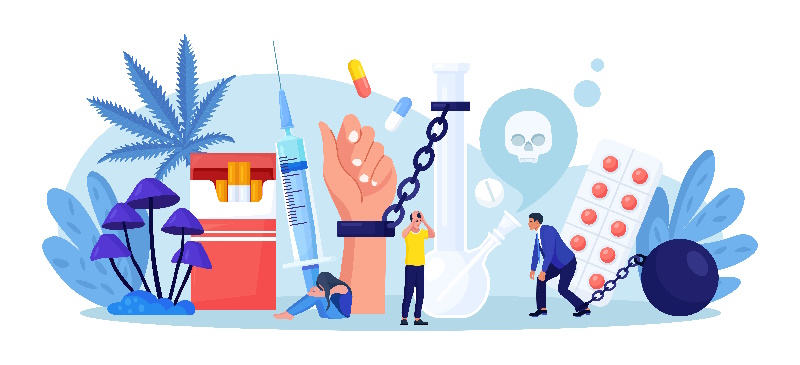
Yet, one of the biggest side effects, and the one that comes up most frequently in our line of work, is the impact drug addiction has on other people’s wellbeing. We’re not talking about things said in the moment, or specific behaviours displayed while high – we’re talking about how drug addiction seeps through an entire family and the silent impact it has on those watching helplessly from the inside.
Drug addiction, denial and division
Addiction is one of the most widely misunderstood mental health disorders – not just by those watching, but by those in the throes of it. Online and media portray some recognisable physical symptoms that most people may notice, such as a runny nose, red eyes, confusion and shaking (depending on the drug). But the biggest part – the lack of control over drugs and who it can impact, only seems well understood by recovery communities and survivors.
The image most people have of drug addiction gives the impression that it could only happen to other people. Even when it’s developing, and relatives notice concerning changes, it can be hard to identify what it is and admit it’s happening to you.
We at The Haynes Clinic know this feeling firsthand. None of us believed while we were in active drug addiction that we had a lack of control, and most people who enter our doors don’t believe it at first, either. This division is the start of a terrible journey for everyone involved.
How does drug addiction impact other people?
When our closest and most trusted peers start to worry about us, there is a special ally that is in our corner: denial.
Denial will tell us that we don’t need help; we know exactly what we’re doing and can stop whenever we want. Denial will tell us that our drug use does less harm than colleagues getting drunk at the Christmas party, so why do we have to do something, and they don’t? Denial doesn’t try to get us to change or question our methods. It offers many excuses to hide behind; what it doesn’t do is care.
Addiction to drugs leads to isolation, which pulls you away from meaningful connections and erodes trust in people who care about you. As a result, a divide ripples through entire families.
Here are some things that may change within families and friend groups, even if the person using drugs thinks they are holding things together or hiding things well:
Loved ones are constantly worried
As drug addiction progresses, you become accustomed to the substance, meaning you need to take higher doses and more frequently to maintain the feeling of euphoria. If there are triggering periods in your life, this feeling becomes even stronger, as it can be difficult to face reality without numbing the pain.
Anyone who cares about you knows that they can’t do anything to intervene until you let go of denial. They simply have to watch you battling with this disease, hoping you will get help before anything dangerous happens. They may constantly be on edge when the phone rings, wondering if something bad has happened. They might wait up at night, checking that you arrive home. And they may stop worrying about their own health, sleep patterns, mental stability and finances to prioritise your safety.
People expect to be let down
While deep in the world of chasing highs, forgetfulness, fatigue, low mood, and a loss of interest in things you previously enjoyed are likely to occur. Eventually, people won’t know what to expect from you. They may make backup plans for every event in case you don’t show up or you turn up high. Partners may even leave when they realise there is no change and that if they stay, they will be dragged into denial.
Even if you are physically there for people, they may change their plans or hide their own feelings as they don’t feel heard or as if you are present. This situation creates a sensation of loss in people that they must grieve and deal with every day, impacting their mental health and trust.
The family takes on extra responsibilities
Many people in active drug addiction hold down jobs, families, hobbies and responsibilities. What may seem manageable at first can become harder as your drug intake increases. In many cases, family members step in to help with childcare, make excuses for why you’re not around, nurse you better and offer you a place to stay when things get rough. This adds a huge burden on them, as they worry about another person in their spare time, leaving little room for their own self-care.
This is especially common with partners who expend energy hiding the truth from others to help keep you afloat.
Children inherit trauma
Many of the clients who come to us for support have been raised in a family in which addiction was present and kept quiet. Children not only start their lives with secrets, fearing that the truth will be discovered, wary of parents’ mood changes and stepping in on responsibilities, but they also learn to deal with trauma unhealthily. Just like their family members, many discover comfort in alcohol, drugs or compulsive behaviours later in life.
Turning solo drug dependence into a team recovery
Battling a drug dependence is a testing journey that can feel like the loneliest place in the world. Even when people around you are worried and try to support, it can feel as if they don’t understand. While they may not be able to feel the suffering and compulsions you experience, they are living their own trauma through drug addiction, affected in ways that are often not considered until the recovery stage.
Luckily for those that seek support, recovery from drug addiction is centred around connection and rebuilding trust. If you still have close people around you through rehab, you’ll learn how everyone has been affected differently and how to work on rebuilding broken bonds. And if you don’t, you’ll build a close family through your recovery, with people who understand every trial of addiction.
If you’re supporting someone who is reliant on drugs and it’s affecting your mental health, you don’t have to carry the burden alone. Contact us today to find out about our recovery programme for drug addiction. Our team at The Haynes Clinic is here to help