
Numbers appear everywhere in addiction recovery. From keeping track of sober days to working through the 12 steps, a single number can represent the moment somebody turns their life around. More than counting success, in addiction rehab numbers are reminders of resilience and the decision to keep going.
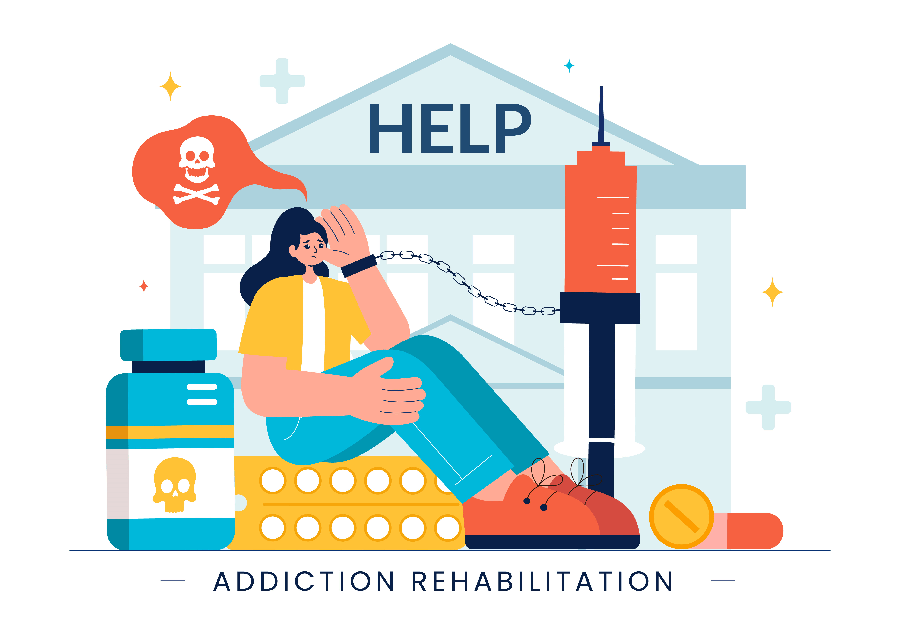
The community formed in rehabilitation via shared stories and numbers, and the insights learned there, help people realise the encouragement and love that’s around them, guiding them forward, one day at a time.
Addiction recovery in the community
Recently, a tattoo shop in Long Island began offering a particular tattoo for free: a number in simple font, representing the number of days a person has been in recovery. The offer was inspired by a mother who requested the tattoo after her daughter achieved 392 days sober and lost her battle with alcohol on day 393. It symbolises a proud reminder of the number of days the family could enjoy together thanks to the hard work that was put into treatment.
This story inspired many others to start tattooing the same. Brothers, friends, children, parents. All of them engraved a reminder of the number of days someone battled and fought this condition. Some have even tattooed their own number as a reminder to keep going.
This story is not just a beautiful one – it is a representation of the heart of addiction rehab. Recovery rehabs like The Haynes Clinic are more than just spaces to wean off drugs and alcohol. They are communities of connection and trust. They remove any stigma and judgment, dive into the person beneath, nurture connection through hardship and growth, and people pull together to fight this condition and protect each other when things get hard.
Why addiction rehab begins with being understood
Each first day carries so much weight in the addiction community. Every person who requested a tattoo – and everyone it represents – likely began their journey feeling they had nowhere to turn. There would have been days filled with hesitation, debating whether to speak up, fearing judgment, and questioning if anyone would understand. Addiction is a mental condition as well as a physical one, so removing drugs until withdrawal is safely over isn’t the solution. It doesn’t address how to deal with overwhelming thoughts or how to process memories or embrace healthy behaviours. This is where addiction rehab comes in.
Before treatment plans or therapy sessions, addiction rehab begins with recognition. The moment someone accepts their addiction is out of control is the most important step. At The Haynes Clinic, someone realising they are no longer addiction alone is our first goal as a clinic. Before meaningful change can happen, people need to feel seen, heard, and safe enough to be honest. Connection is often the first step toward recovery, long before any clinical work begins.
Addiction rehab beyond the clinic walls
The Long Island tattoo story highlights something important: recovery does not stay inside rehab buildings. The lessons learned there continue into everyday life.
People leave addiction rehab with shared language, coping strategies, and support networks that extend far beyond treatment. Fellowship meetings, life plans, recovery communities, and ongoing peer relationships help maintain the sense of belonging first developed during rehabilitation. And this extends into families and friend groups. It isn’t just those in recovery that are sharing stories and healing. The people around them are also healing from the pain of active addiction, encouraging them and loving them within the same community and understanding the same language.
Recovery becomes less about avoiding substances and more about building a life where support exists naturally.
Connection that lasts beyond addiction treatment
The tattooed numbers serve as reminders that recovery is not defined by perfection, but by persistence. Every day counted represents effort, support, and the decision to continue moving forward. While numbers don’t erase setbacks and can’t guarantee the future, they represent commitment. In addiction rehab, progress is sustained through connection.
The reason those numbers matter so much is because they reflect shared effort from peers, counsellors, families, and the person working the rehab treatment. Recovery is not achieved in isolation; it is built through daily honesty and supported by people who understand what relapse, resilience, and rebuilding truly mean.
A good addiction rehabilitation prioritises connection because recovery itself is built on connection. Through stories and numbers, relationships can be built with therapists, with coaches and with people ahead in the treatment steps. It’s a way to offer guidance through hurdles and prepare one another for the best and worst to come. With this at the heart of addiction recovery and integrated into the programme, there is the possibility of change.
If you are wondering whether addiction rehab could help, the answer is yes. The question is whether you are ready to stop facing it alone.
To speak to one of our team about our addiction rehab programme, call us today for confidential and compassionate support.