
When ChatGPT first arrived as an accessible tool on our devices, many of us were wary: what was running these platforms, and what information would it use? While a few of us still approach it with caution, AI has become a regular part of our lives, providing easy, personalised information, with many turning to it for immediate guidance on everything from ideal holiday destinations to how to improve text in an email. In fact, the way we’ve learnt to interact with these programs is not far off from how rehabilitation for alcohol is structured.
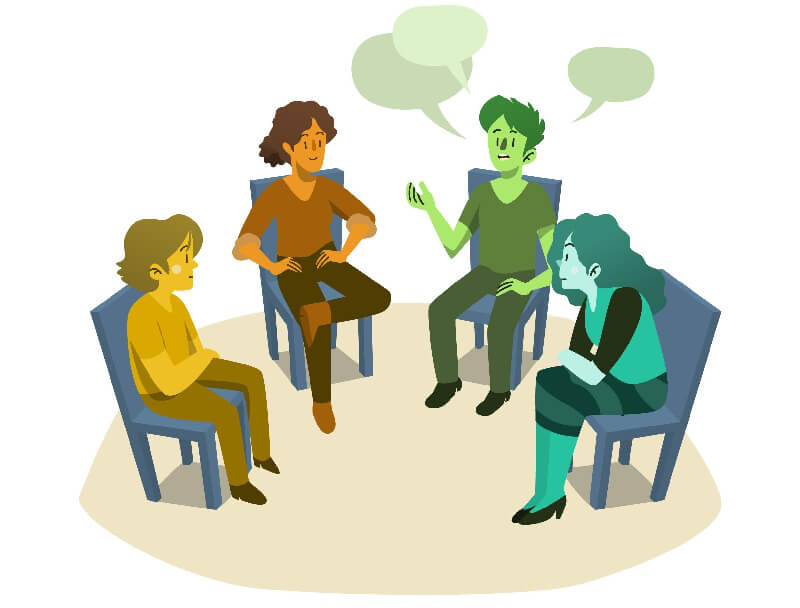
One of the most impactful recovery techniques for overcoming alcoholism is how we communicate with those who feel isolated and encourage them to confide in the group. A large focus of this sits in the language used and how the topic of addiction is approached. The way we’ve learned to speak to AI can teach us something important about alcohol rehab: language matters.
Effective prompting in alcohol rehabilitation
At the Haynes clinic, we’ve spent many years crafting an alcohol rehabilitation programme that works for anyone who is ready to make a change in their life. As well as medical and psychological detox support, our rehab is designed to encourage connection. For most people who depend on alcohol, trust has been lost along the way, making relationships with others difficult.
We rebuild community through a series of workshops and therapy methods, using our own addiction journeys as a reminder of how difficult it was to rebuild trust. The key aspect of this is how we speak to people who may have spent their whole lives not feeling understood or having to hide behaviours that are stigmatised and take bravery to admit.
The way communication around Artificial Intelligence is handled pulls on so many important aspects of interaction that we forget to use with one another. While LinkedIn is flooded by advice on how to improve communication with AI in different contexts, this mindset and the suggested approaches are at the heart of alcohol rehab.
AI communication approaches that apply to alcohol recovery
When we input a prompt into an AI app, there are two ways to go about it:
1) Type in a stream of thoughts, then edit and refine based on how the AI platform responds.
2) Carefully craft a prompt with a multitude of keywords (usually used by tech wizards and Marketers who are reducing work tasks)
Whether AI is used as a sounding board to talk out thoughts and naturally (or ‘mechanically’) come to a conclusion, or is carefully selected to follow a brief on order, most rhetoric around these two options result in catering prompts and language that is clear for platforms such as ChatGPT to understand and asking for feedback to see how communication can be improved to increase results.
While the platform may be frustrating, we understand that we must accommodate how it processes information – not the other way around. The conversation and responses we give shape how we explore the topic at hand and approach the next reply. Getting angry or repeating the same thing won’t help, and any missing clarity must come from us, not the recipient.
This approach to conversation is exactly what we need to do with each other and what we have always strived for in our rehabilitation for alcohol. Alcoholism is an incredibly complex condition which is widely misunderstood by the public and by loved ones who may have someone’s best interest at heart. People who feel alcohol is the only way to escape difficult emotions need to be listened to – not reprimanded. When someone is in the depths of addiction, it is us that need to cater our language to them, offering compassion and space for them to open up, not the other way around.
What we can learn from alcohol rehab techniques
The integration of AI in our job roles, web searches, messaging apps and research plans makes us not only think more carefully about how to prompt answers but also teaches us patience. It’s easy to get swept up in the expectations we set in conversations and the urge to achieve immediate results. Rehab is one of the only places that has always known exactly how to prompt and speak to those struggling, with compassion and encouragement, rather than judgement.
Addiction recovery takes hard work and requires a healthy and achievable structure. However, to successfully take the plunge into alcohol rehab, where someone will be putting their trust in a group of experts and other supportive members of the group, they need to be in a safe environment that allows them to open up and accept difficult realities.
Allowing someone with alcohol dependence to talk about their feelings, how they can be helped and by taking the time to understand what they need, rather than having preconceived ideas and expecting immediate results, creates a chance for successful recovery from alcohol. If we can have this approach with Artificial Intelligence, we should strive to have this mindset with everyone who finds themselves with a dependence on alcohol, just like we do in alcohol rehabilitation.
If you are reliant on alcohol and need a safe space to heal, or if you know someone who would benefit from our alcohol rehab programme, contact us today.