
If you were told that in 2024, nearly half (44%) of adults in addiction treatment in England were there for drugs prescribed for treatment, would you be surprised?
Addiction, like many other mental health disorders, is still viewed through a stereotyped lens, which rarely describes reality. As this statistic proves, dependence can impact anyone and can develop through everyday occurrences, such as prescribed medication.
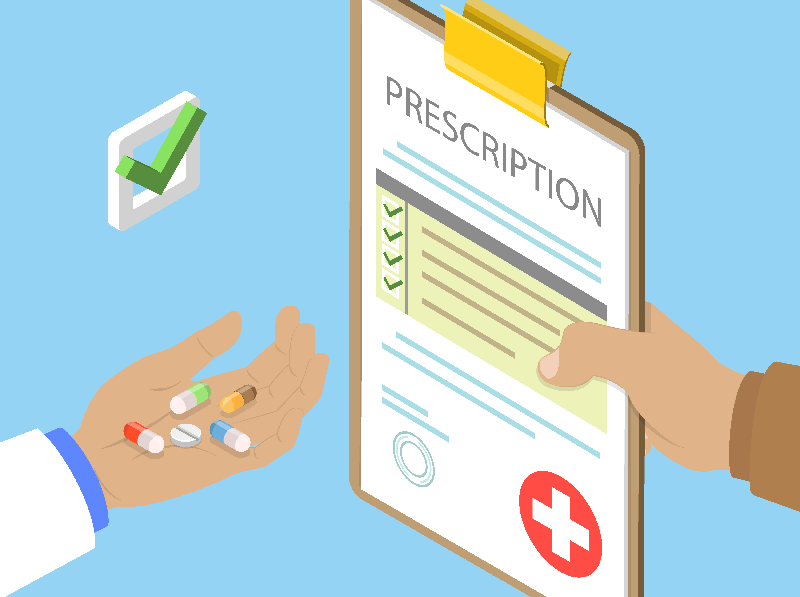
Here are five common myths about prescription drug addiction which you may not be aware of.
Myth one: “Medication prescribed by your doctor is not addictive.”
Truth: doctors prescribe to treat existing conditions, not prevent addiction
Doctors in the UK recommend treatments intended to manage difficult conditions and support recovery. While they have a responsibility to warn you about potentially addictive medications and offer duration guidelines, there are no official check-ups to assess for addiction after taking a prescription.
If you experience pain after an injury or operation, prescriptions such as opioids could be recommended by your doctor. These pills are a great short-term solution to dull any agonising pain so you can function as normally as possible until the wound has healed. However, opioids, along with many other prescribed medications, are highly addictive drugs that can cause dependence if taken more than needed.
Myth two: “Needing a higher dose just means your condition is getting worse.”
Truth: increasing doses may be a sign your body has developed tolerance.
When medication is taken over time, the brain can become used to its numbing properties – particularly if the prescription is used to reduce pain. As physical discomfort eases, many people also experience a sense of mental relief, making everyday tasks feel more manageable and allowing the body to relax in ways that may not have seemed possible before treatment.
Eventually, the brain can associate the use of these drugs with mental wellbeing and the ability to get things done. Even when the physical pain becomes bearable, the need to continue using medication becomes hard to ignore. Increasing the dosage may seem associated with healing, but it often stems from the emotional relationship with the drug. This is a sign addiction has developed.
Myth three: “If you follow the dosage instructions, addiction won’t happen.”
Truth: legitimate prescriptions can lead to unsafe sourcing.
If doctors are led to believe your healing process is taking longer than it is, they may continue to prescribe, leading to a higher chance of becoming reliant on the medication in the long term. It could be the beginning of an addiction to prescription medication, as you are relying on the medication to feel normal, not just numb unbearable pain.
Even if doctors stop prescribing, these medications can be accessed through other means. When people find they need to source the medication elsewhere, even if following the right dosage and as originally prescribed, they are contributing to active addiction to prescription medication.
Myth four: “Prescription drugs are safer than illegal substances.”
Truth: Legal status does not remove the risk of addiction.
Drug addiction rarely looks how people expect. Often associated with a clear loss of control and making risky choices, the image of addiction most people look for means they miss the real signs.
Dependence may integrate itself into daily routines, such as needing prescribed medication to sleep or get through the day without stress. Often, addiction to prescription medication means people using it to feel normal. This can be even more dangerous than illicit substances, as they are not using it to feel a ‘high’ – a common misconception of dependence.
Many experiences can be addictive, such as coffee, gambling and alcohol. The real risk is not determined by whether a substance is legal, but by whether support has turned into reliance, and how it is impacting your life.
Myth five: “Stopping a prescription is easy because it’s legal medication.”
Truth: The body does not distinguish between legal and illegal drugs.
Medication works by changing chemical balances in the brain. This could be blocking chemical signals to reduce the feeling of pain, or it could be releasing endorphins to stimulate a feeling of euphoria. When drug dependence develops, the brain adapts to these changes and relies on the medication instead of producing its natural hormone balance. When the prescription ends, these changes are quickly disrupted, causing withdrawal symptoms. This could result in needing more of the drug to adjust that balance – otherwise known as addiction to prescription medication.
The body does not understand whether these drugs are legal or not; all it knows is that the feeling is uncomfortable and craves a quick fix to restore balance.
Most people associate addiction with behaviours they would never relate to themselves or people they know. Understanding the misconceptions around this topic helps shine a light on how easily dependence on prescription drugs can creep in if not taken into consideration.
If you’ve been prescribed medication for a legitimate purpose, we hope these insights help you maintain a healthy relationship with your prescription, and you feel confident to inform your doctor if you notice any changes.
If you, or someone close to you, is reliant on prescription medication and would like support from our compassionate team, we can help you take back control. Contact us today for confidential advice.