
Gambling rehab stories don’t always begin with a casino or betting apps; sometimes they begin with a career. Whether it’s physical labour working demanding sites or high-pressure office environments with no time to take lunch, gambling becomes an easy outlet to take control of choices and temporarily distract from the next task. With betting sites and leagues available at the click of a button, gambling is accessible on work breaks and shows no physical symptoms. This makes it an attractive coping strategy for stress that can become difficult to manage alone.
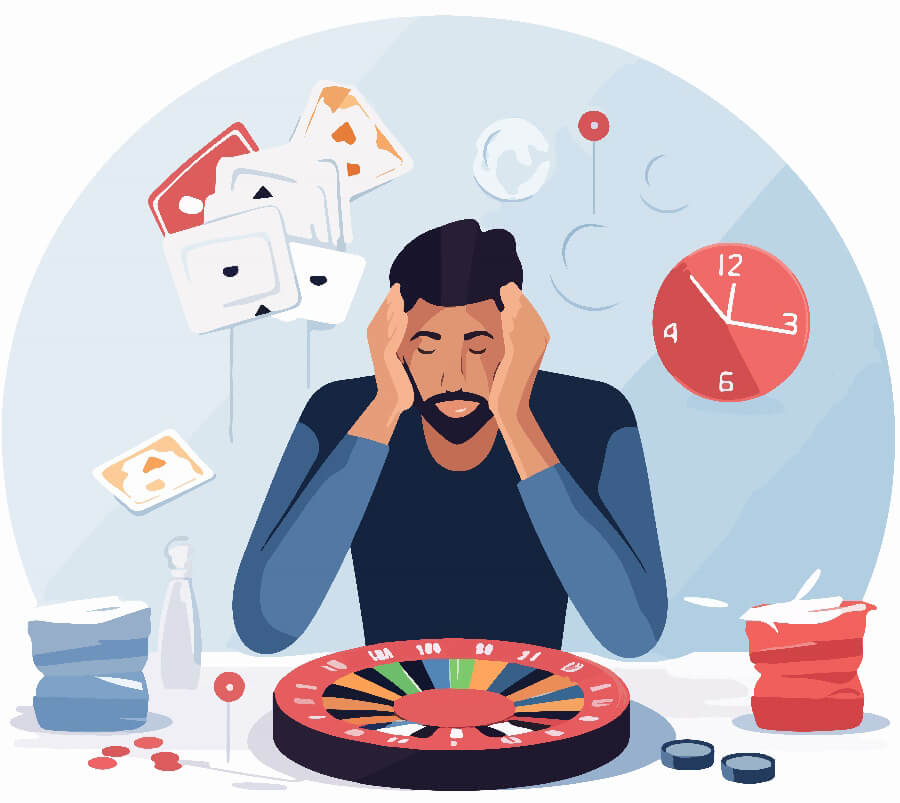
By the time someone reaches rehabilitation for gambling, it’s not the gambling itself that needs addressing, as this is a symptom of something deeper; it’s the emotional load they’ve been carrying underneath the surface, often for years, that needs space to be understood and released.
How performance pressure pushes people toward rehabilitation for gambling
UK work culture celebrates being productive and delivering results. Many companies offer bonuses for hitting their targets and encourage people to stay late or work extra time to hit last-minute deadlines. Many of us would have experienced last-minute projects being thrown at us from other departments or a calendar full of appointments and demands. In exchange, employees expect perks like coffee machines and respect. But while the coffee may taste fresher, this doesn’t offer an outlet for stress. In these moments, gambling can become a lifeline that feels manageable but can soon become compulsive, impacting work performance and causing isolation. Like all addictions, gambling addiction thrives on loneliness. People start to distance themselves from others and keep their behaviour a secret, rather than confiding in someone. Dependence still has a huge stigma attached, so many people hide their gambling behaviour out of fear of being judged, pushing their mental health further back to uphold a professional work standard.
Why silence at work makes recovery harder
We have treated people from all walks of life through our gambling rehab programme, and we know firsthand that gambling cannot be hidden for long. No matter how professional someone is, signs eventually become visible. When gambling compulsions impact work performance and creep into other aspects of life, support and structure from those who understand these challenges is the best way forward.
Workplaces rarely feel like safe environments to admit struggling, especially with something so stigmatised and misrepresented. The pressure to appear capable, dependable, and on top of things means those who would benefit from support say nothing, even as their stress and secrecy start to spiral. This silence makes recovery harder because without a diagnosis, missed deadlines, rising worry about money, or feeling constantly on edge stay hidden. The compulsions become more relied upon to release tension, and the cycle repeats again.
Rehabilitation for gambling at The Haynes Clinic provides the space to step back from the demands that pushed people into secrecy, and to unravel, in a safe space, what caused this unbearable pressure in the first place.
Which workers benefit from gambling rehab?
Gambling harm doesn’t affect only one type of worker; it shows up across careers that carry pressure, instability, or the expectation to always be available and switched on. But certain roles make people especially vulnerable to slipping into patterns that eventually lead them to gambling recovery.
As well as those grinding long hours in the office or in a labour-intensive job, remote workers also feel this pressure intensely. Without clear boundaries between work and home, long hours can become the norm, and switching off at the end of the day may trigger guilt, especially when colleagues are still online or pushing past standard hours.
Freelancers, contractors, and business owners face similar challenges but in different ways. They juggle multiple clients, unpredictable workloads, and the constant need to prove their value without the safety of long-term contracts. When you work for yourself, there’s no one to notice if gambling starts creeping into breaks or moments of overwhelm. Across many roles spanning different industries, there’s a shared pattern among those who arrive in gambling rehab: they’ve carried a level of performance pressure that feels relentless, and gambling briefly cuts through that tension. The rush of a potential win mirrors the pressure of having to achieve in work – a temporary illusion of control that can quickly take over.
People who experience financial strain, job-related stress, or unstable work routines are more likely to engage in harmful gambling because it provides a temporary sense of control or relief, which is disguised as a healthy outlet. In reality, it does the opposite. The momentary distraction offered by betting is followed by heightened anxiety, secrecy, and the pressure to win back what was lost. For someone already stretched thin by work, this can become an exhausting cycle.
Rebuilding a healthier relationship with work after gambling recovery
The aim of gambling rehab isn’t just to get someone back into work; it’s to help them return with a different mindset. By the time clients leave our programme, they have a clearer understanding of their triggers, a set of coping tools they know how to use, and a support network of trusted peers and professionals helping them through each stage.
Routine plays a central role in this shift. The structured days in rehab gently reintroduce stability into a life that may have felt chaotic for months or even years. Simple daily habits such as eating a proper breakfast, keeping a consistent sleep pattern, and taking real breaks throughout the day can ground the nervous system and improve focus. These habits become foundations that clients can carry back into their home and work lives.
Many of our clients, after hearing the recovery journeys of our staff and other people in similar situations, realise how much of their behaviour was driven by fear. Fear of letting others down, fear of being seen as incapable, or fear of facing difficult emotions from the past can be looked at through group therapy and step work, gradually helping clients to recognise these patterns and practise setting limits with honesty rather than guilt. These boundaries help reduce the pressure that used to push them toward gambling when a workday became too intense.
If you or someone you care about is struggling to break the cycle of gambling addiction, you don’t have to face it alone. The Haynes Clinic offers compassionate, experienced support for anyone ready to make a change. Contact us to take the next step toward a healthier, steadier future.